Why Warm Neutrals Are the Color PPF Finishes of Choice This Summer
Summer usually brings louder automotive color into view. Bright paint, saturated wraps, and high-contrast builds photograph well in direct sun and command attention at meets. This year, however, one of the more interesting directions is quieter: warm neutral color PPF.
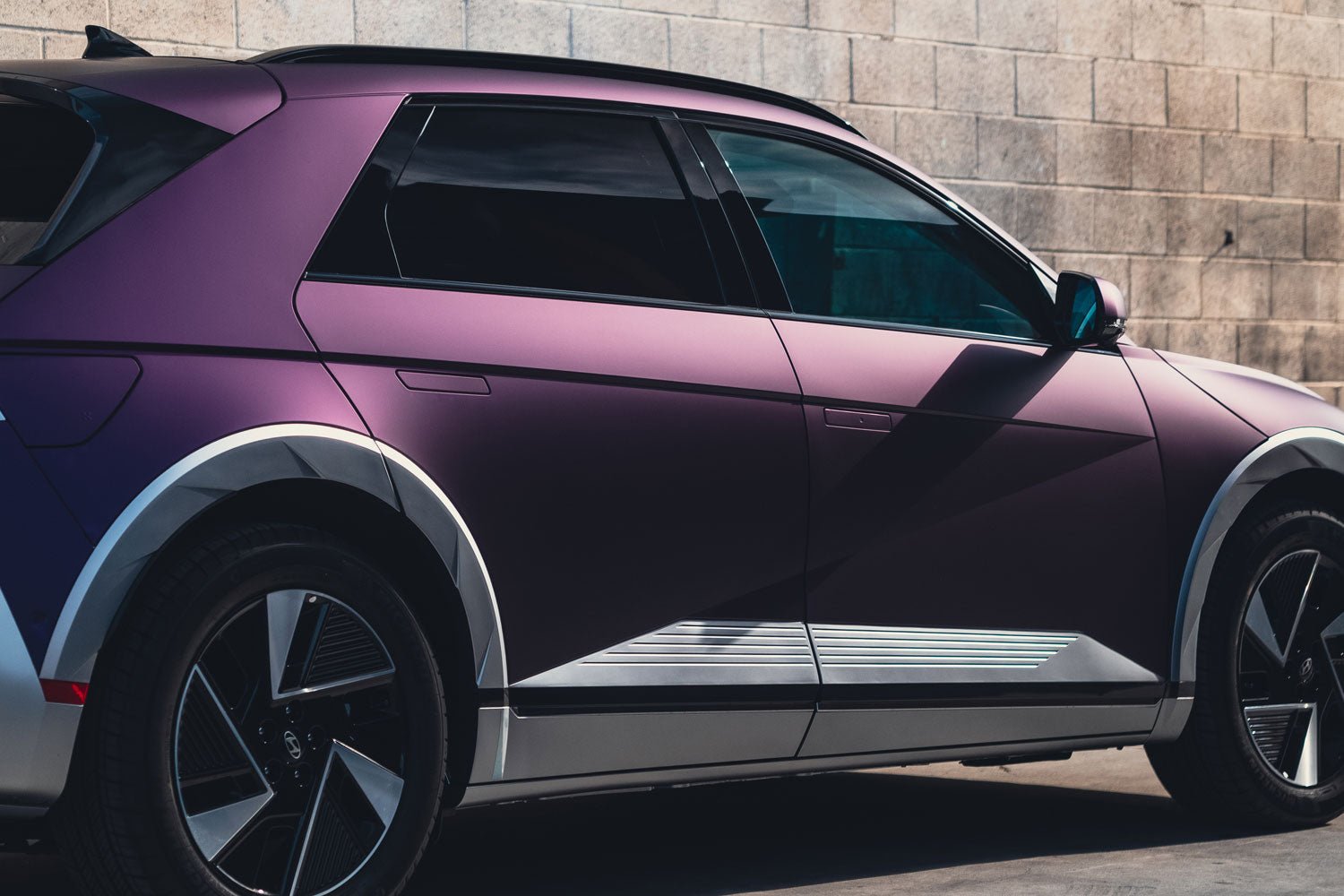
Sand, champagne, pearl white, bronze, cream, and soft blush finishes can change the character of a vehicle without turning color into the only thing anyone sees. In summer light, their undertones, metallic layers, and shifts give a seemingly simple palette more depth through the day.
For installers, that makes warm neutrals useful beyond a seasonal trend. They can appeal across luxury cars, EVs, performance vehicles, and trucks. The finish remains distinctive, while the color stays easy to live with.
The Market is Moving Beyond Cold, Flat Neutrals
Neutral vehicles still define the global automotive market. Axalta's 2025 Global Automotive Colour Popularity Report places white, black, and gray at a combined 74 percent of global vehicle color, but it also points to rising interest in finishes with greater depth, movement, and individuality.
BASF's automotive color research adds another layer. Beige nearly doubled its share in EMEA in 2024, while gray in the Americas expanded across a range that includes warm, earthy shades. BASF's 2025-2026 trend direction also moves from traditionally cool colors toward browns, mauves, and other warmer tones.
Those reports measure OEM coatings, not color PPF sales. Still, factory trends shape what customers recognize as current and believable. The shift is not away from neutrals, but from neutrals that feel generic.
Why the Direction Fits Summer
Warm neutrals respond well to the way cars are seen in summer. Longer daylight gives metallic and pearl layers more time to work. A sand tone can appear creamy in shade and more golden in direct sun. A frozen bronze can look restrained from one angle, then reveal its metal content across a fender or shoulder line.
Customers judge a finish in motion, in photographs, and across different environments. Warm neutrals create enough contrast to transform a vehicle without overpowering its design. Black trim, carbon fiber, polished wheels, bronze hardware, and dark glass can all sit comfortably beside them.
There is also a practical selling advantage: these colors cross vehicle categories. A gloss beige can make a performance coupe feel tailored, a frozen tan can sharpen a luxury SUV, and pearl white can add dimension to an EV without looking like a temporary fashion choice.
Sand and Cream Create a New Baseline

Armor Sand is the direct entry point into the trend. Its earthy tan base gives a vehicle a clear color change, while the gloss surface keeps the result polished. It works when a customer wants an organic tone but does not want the flatter character of a matte finish.
Frozen Cortado takes the same family in a softer direction. PEAK describes it as a frosted caramel-tan with creamy depth and a refined matte finish. The reduced sheen makes it especially effective on large panels and defined body lines, where the shape of the vehicle can carry more of the visual weight.
Shown side by side, they also help a dealer explain how sheen changes the personality of a related palette.
Champagne and Bronze Add Controlled Luxury
Warm metallics occupy the space between a conventional neutral and a statement color. Champagne brings a golden mirror-like shine that feels at home on grand tourers, luxury sedans, and sculpted SUVs. It reads as premium before it reads as loud.
Frozen Sepang Bronze offers the counterpoint: warm metallic bronze with a soft satin finish. It holds enough depth to feel special, but the quieter surface avoids the visual intensity of a full gloss metallic. On vehicles with black or carbon accents, that balance can look especially resolved.
Bronze can bridge the gap for customers who want the maturity of a neutral with a stronger color identity.
White is Becoming More Dimensional

White remains the world's most common automotive color, but color PPF gives shops several ways to move it beyond a factory-basic presentation. Pure White is the cleanest interpretation: solid, gloss, and direct. It suits the customer who wants a crisp reset and a timeless surface.
Pearl White adds multi-dimensional shimmer, while Frozen Pearl White combines a subtle pearl effect with a soft satin finish. The first relies on gloss and reflection; the second lowers the sheen so the pearl can sit more quietly across the body.
For a more expressive version, Phantom Pearl introduces subtle iridescent movement. Its changing highlight gives white a less fixed appearance in summer sun. The range turns white into a spectrum—from clean solid to luminous pearl, satin, or iridescent depth.
Aurora is the Expressive Edge of the Trend
PEAK's Aurora Series is not a neutral collection, but its warmer finishes connect naturally to the same customer preference: color that changes with light instead of relying only on saturation.
Topaz Gold Aurora is the clearest match. Its warm golden base gains movement through the Aurora shift, giving a dealer a more dynamic alternative to champagne or bronze. Sky Pink Aurora brings a soft blush direction that can feel lighter and more wearable than a conventional bright pink.
Chameleon Aurora sits outside the neutral lane, but belongs on the display wall. It demonstrates how angle, lighting, and body shape can alter a finish—even when the customer's final choice is more restrained.
How Dealers Can Sell the Trend More Clearly
Warm neutrals should be shown, not simply named. “Beige,” “white,” or “bronze” leaves too much to imagination. Put gloss and frozen samples beside each other. Move them from shop lighting into daylight. Place them next to black trim, carbon textures, and common wheel finishes. If possible, use PEAK's 3D Visualizer to help customers narrow the field before confirming with a physical sample.
A focused presentation might start with Armor Sand, Frozen Cortado, Champagne, Frozen Pearl White, and Topaz Gold Aurora. That group covers gloss, matte, satin, metallic, pearl, and color-shift behavior without overwhelming the customer. Broader PEAK options can then support more specific builds and special-order conversations.
The technical value remains part of the sale. PEAK's color films use self-healing TPU, measure 7.5 mil or more, install wet, and are backed by a 10-year limited warranty when installed and maintained according to PEAK guidelines. The color earns attention; the protection helps justify the decision.
A Quieter Finish Can Make a Stronger Statement
Warm neutrals are succeeding because they do not ask customers to choose between familiar and distinctive. They preserve the restraint that makes white, gray, and beige easy to own, then add the surface depth, undertone, and movement that make a full color change feel intentional.
Summer simply gives those details more room to show. In daylight, a pearl becomes dimensional, a frozen bronze reveals its metal, and an Aurora finish changes character around the vehicle. The result is not color for attention alone. It is a finish that works with the car.
For shops ready to offer a broader, more considered color PPF experience, become a PEAK PPF Dealer and connect with the team about the right finishes, samples, and support for your market.
Read more
Satin black PPF has become an easy request to understand. Customers want the low-glare presence, the sharper body lines, and the stealth character without committing to paint. The challenge for a s...
Armor Sand transforms a vehicle through proportion, surface, and restraint: an earthy tan that changes the character of a build without competing with its lines, wheels, or trim. That balance makes...