
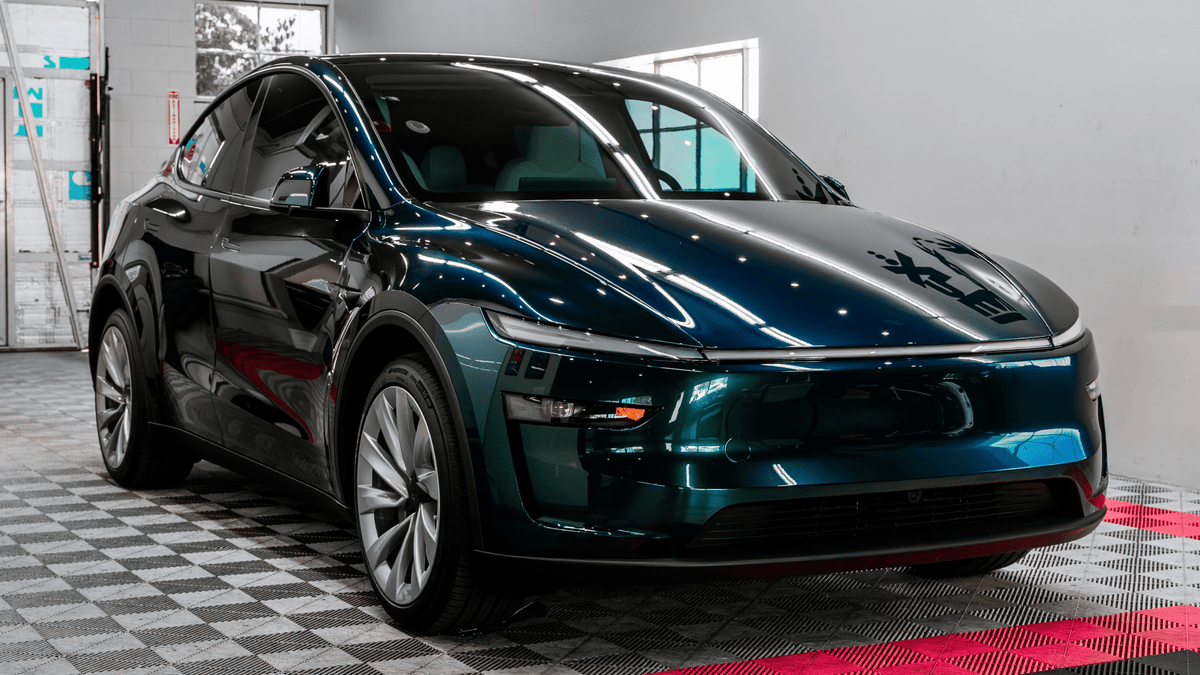
Why Iridescent Finishes Are Having a Moment
Walk past a car and catch a color you did not see from the front. Take a few steps back, and it looks different again. That small surprise is a big part of the appeal of iridescent finishes. The color gives you a reason to keep looking, whether you are standing beside the car or scrolling through a set of photos.
For enthusiasts who enjoy choosing every detail of a build, that extra variation opens up interesting possibilities. Color-shift PPF brings changing hues together with paint protection, making the finish part of the car's personality. Peak PPF's Aurora series explores that idea through shades that reveal different tones as the light and viewing angle change.
A finish that rewards a second look
Iridescence describes an appearance in which the visible hue changes with viewing angle. On a vehicle, the effect can be especially interesting because you are rarely looking at a completely flat surface. A curved fender, a sculpted hood, and a door facing away from the light can each show a slightly different side of the finish.
The strength of that change matters. Some color-shift looks are dramatic, while others stay closer to a familiar color family. Aurora takes the latter approach, emphasizing subtle tonal movement and depth. A finish can feel distinctive without looking equally intense from every angle.
That leaves room for personal taste. Someone who usually chooses blue or green can explore a finish with more variation while keeping a color they already enjoy. The decision becomes about how that color behaves across the whole vehicle.
It is also worth separating color movement from surface finish. Gloss describes the reflective surface; iridescence describes the changing hue. They can work together. When comparing films, look at both qualities so you know whether you are responding to the reflection, the color variation, or the combination.

Why the enthusiast appeal makes sense
Building a car often involves a series of small decisions. Wheel color changes the way the body looks. Black trim creates contrast. A different finish can make familiar panels feel more sculpted. Iridescent films fit naturally into that process because they give owners another visual detail to work with.
They also suit the way enthusiasts spend time around cars. At a meet, you walk around a build, look closely at the details, and see it under changing light. A finish that reveals another tone along the way adds something to that experience. Even a familiar model can feel more personal when its color does something unexpected.
For us, that helps explain the current interest. The appeal extends beyond the first reveal photo. There is still something to notice the next time the car comes out of the garage.
Why color shift works so well on camera
A photograph can capture several tones across one body panel, making the shape of the car easier to appreciate. A wider shot shows the overall color, while a close-up lets the viewer see the variation around an arch or along a crease. Together, those images tell a fuller story than a single swatch.
Video adds another dimension. A slow walk around the car lets the viewing angle change continuously, showing transitions that separate photographs can only suggest. For an owner sharing a finished build, that movement gives a simple clip plenty to show without an elaborate setup.
Good photography still needs honest color. Keep editing restrained, include a few angles, and show the vehicle in more than one lighting condition. An iridescent finish can photograph beautifully, but one image will never represent every way it looks. That is part of the attraction and a reason to see a sample before choosing.
Finding your direction in the Aurora series
The collection gives you several starting points rather than one version of a color-shift look. Aqua Aurora brings a blue-green shift, making it a useful place to begin if you keep coming back to both colors. Midnight Purple Aurora takes a darker purple direction for someone who prefers a deeper base tone.
For a warmer starting point, Topaz Gold Aurora combines golden tones with aurora shifts. Sky Pink Aurora introduces a softer pink option, while Ice Blue Aurora gives blue enthusiasts another shade to compare. Chameleon Aurora rounds out the selection with a multicolor iridescent effect. The collection's gloss finishes keep reflections part of the overall appearance.
Start with the color you would enjoy seeing every morning. Then consider how much variation you want around it. Wheels, trim, and the shape of your vehicle will help narrow the choice more meaningfully than picking whichever sample looks most dramatic in a photo.
You can keep the surrounding details simple and give the body color more attention. Black wheels and trim provide one direction; silver wheels bring a brighter contrast. There is no required formula. Keeping your existing setup in mind helps the new finish feel connected to the car you have already put together.

Give the sample a proper look
Ask an installer to show you the finish in daylight as well as under shop lighting. Tilt the sample, move around it, and view it beside the vehicle. Pay attention to the quieter angles, too. You will live with those as often as the strongest highlights.
Compare it near your wheels and window trim before deciding. A combination that looks balanced on a sample board can feel different next to bright metal or exposed carbon. If you are choosing between two shades, seeing both in the same conditions makes the differences easier to judge.
Photos are useful for building a shortlist. A physical sample helps you choose the version you want on your own car, with a clearer understanding of how it looks beyond a screen.
Color with paint protection built in
Aurora is color paint protection film made from self-healing thermoplastic polyurethane, or TPU. Along with changing the appearance, it helps protect the paint beneath it from chips, light scratches, and everyday wear. That makes it relevant to a vehicle you plan to drive and enjoy after the photos are taken.
The best choice is a finish you like across different angles, settings, and ordinary days. Iridescence adds variety to those moments, whether the change is immediately obvious or something you notice when you walk back to the car.
An iridescent finish draws attention to the whole car, so protect the glass as well. Peak Clarity windshield protection film adds a clear, self-healing layer to the windshield. Shops can become a Peak PPF dealer to carry both.
Explore the Aurora collection to find your starting shade, then connect with a Peak PPF installer to see how it could look on your vehicle.
Read more
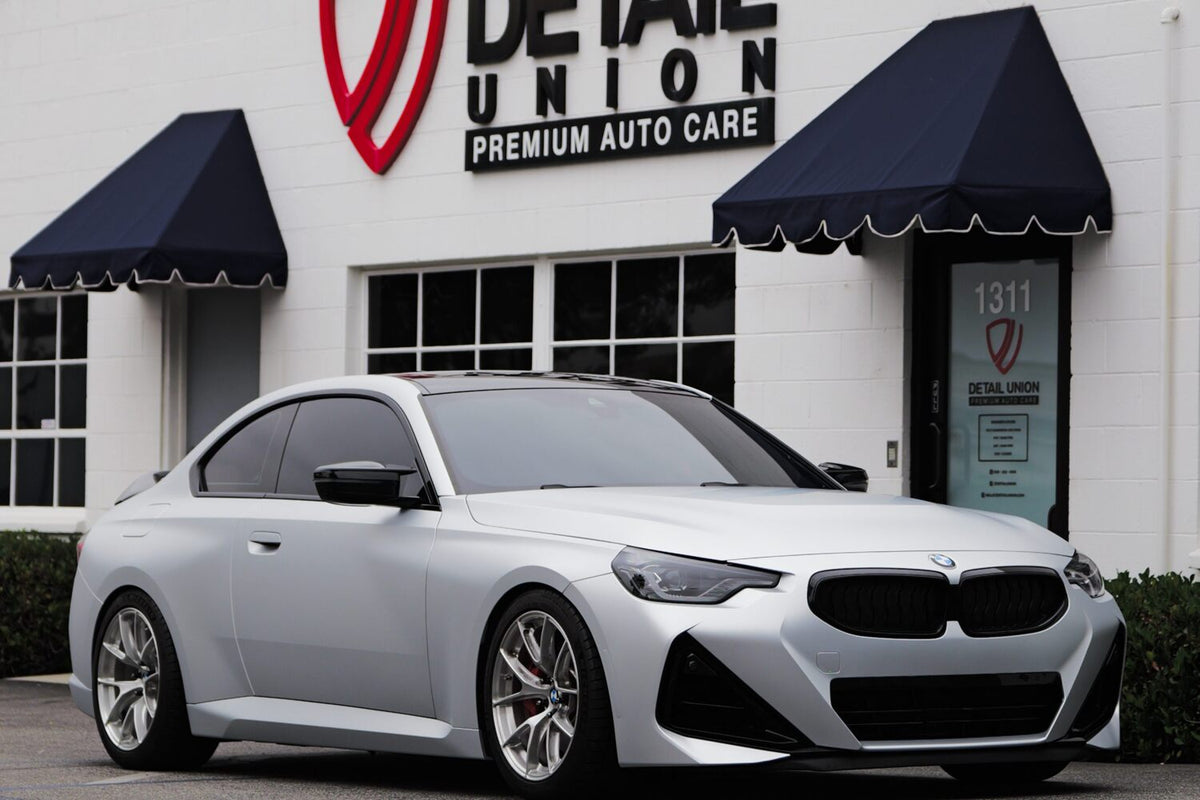
There’s more to gray than choosing light or dark. Explore PEAK’s gray color PPF collection, from clean gloss shades to rich metallics and soft Frozen finishes, and see how tone and sheen can change...
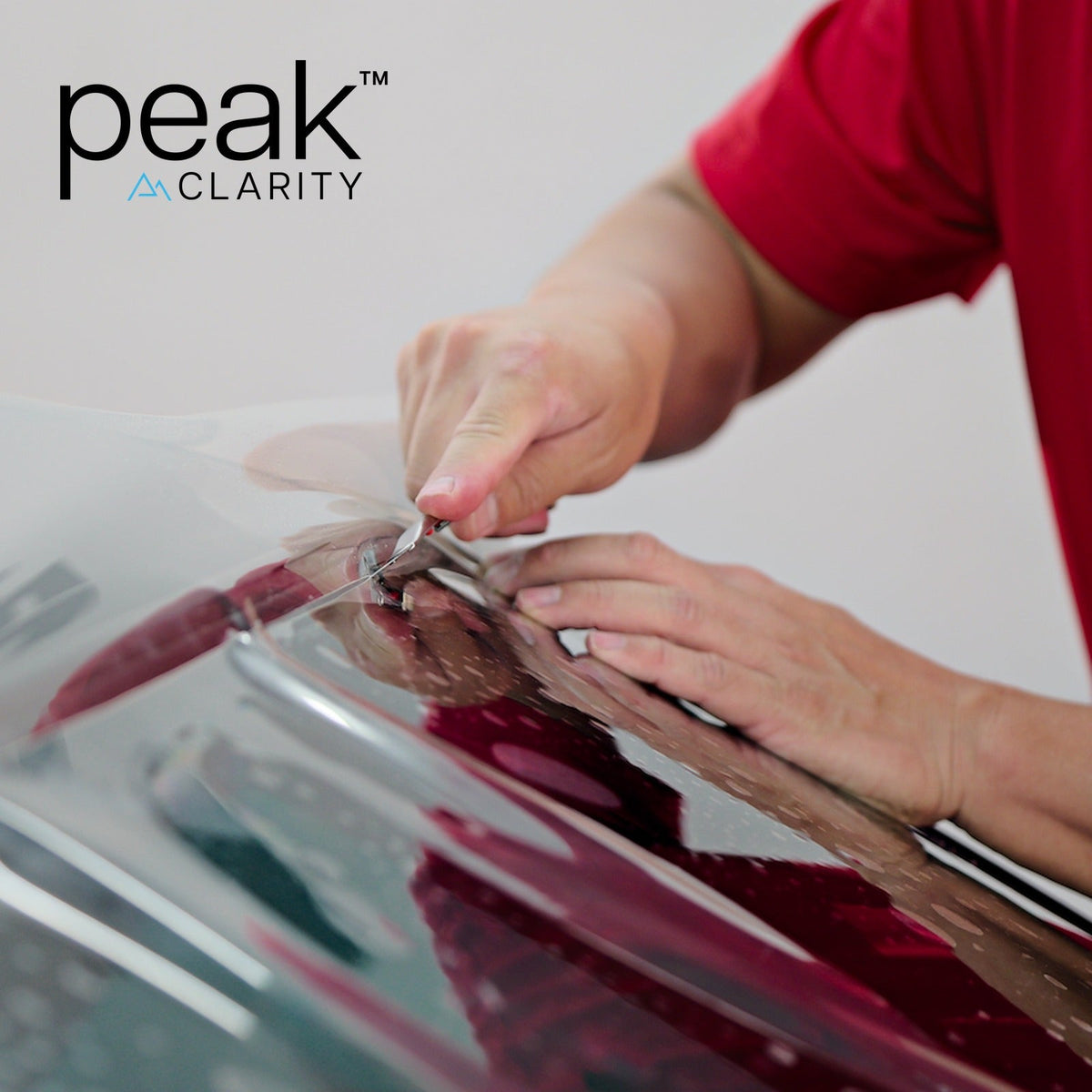
Peak Clarity is a 7.5 mil self-healing windshield protection film that installs without thermoforming. What it is, how it sells, and how to stock it.