Why Customers Opt for OEM-Matched Shades
Not every customer wants a color change that looks aftermarket. Many want the opposite: a finish that feels rare, intentional, and close enough to factory design that it looks as though the vehicle could have been ordered that way.
That is the appeal of OEM-matched color PPF. It gives an owner a recognizable automotive color language without requiring a permanent repaint, while adding the protective structure of paint protection film. The result can be transformative without feeling disconnected from the vehicle.
Few colors explain that preference better than Audi Nardo Grey.
How Nardo Grey Changed the Meaning of Grey
Before Nardo Grey became an enthusiast reference point, gray was usually treated as a safe background color. Metallic flake and pearl effects gave conventional grays depth, but the color itself rarely carried a performance identity.
Nardo Grey changed that balance. The solid, nonmetallic gray looked simple at first glance, yet its cool undertone and clean gloss surface gave it more presence than a standard fleet gray. On the wide arches and sharp bodywork of Audi RS models, it made every crease easier to read. The lack of metallic distraction put more attention on proportion, stance, wheels, and trim.
Audi helped make the shade meaningful by repeatedly connecting it to its highest-performance road cars. The company still identifies Nardo Gray as an RS-specific color on the RS 6, and it has appeared across models including the RS 7 and TT RS. More than a decade after its early RS-era introduction, Audi continued using Nardo Grey on the limited-production RS 6 Avant GT.
That consistency turned one paint color into a visual shortcut for Audi Sport: restrained color, serious performance.

From Factory Signature to Aftermarket Reference
Nardo Grey did not become influential because it was loud. It became influential because it made a neutral color feel specific.
That distinction matters in a market already dominated by neutrals. White, black, gray, and silver account for roughly 80 percent of new-car production in North America, according to BASF data cited by Edmunds and the Associated Press. Customers clearly accept neutral vehicles; what Nardo Grey demonstrated was that a neutral could still carry identity.
The look soon moved beyond Audi. Automakers developed their own solid grays, putty tones, chalk whites, muted greens, and heritage blues. Wrap and film customers began asking shops for those colors by the factory names they already knew. “Nardo,” “Chalk,” or “British Racing Green” communicates a complete design direction faster than a generic swatch label ever could.
This is the core of the hype: the shade looks custom on the wrong model, yet believable enough to feel factory-correct.
Why Customers Prefer Factory-Inspired Colors
OEM colors arrive with context. A customer may remember a certain blue from a poster car, a green from a classic racing program, or a gray from the first RS model that made the color feel desirable. Choosing that shade becomes a way to borrow some of the original car's character.
There is also less visual risk. Factory color teams design shades to work across changing light, large panels, trim packages, and real-world ownership. Customers may not know the technical decisions behind a color, but they recognize when it feels resolved. That familiarity makes an OEM-inspired finish easier to commit to than a color chosen only because it looks dramatic on a screen.
At the same time, the vehicle does not have to share the badge that made the shade famous. Applying an established performance color to a different platform can create the most interesting result. A German gray on an EV, a heritage green on a modern SUV, or a paint-to-sample purple on a Japanese coupe can feel referential without becoming a replica.
PEAK Shades That Follow the OEM-Matched Direction
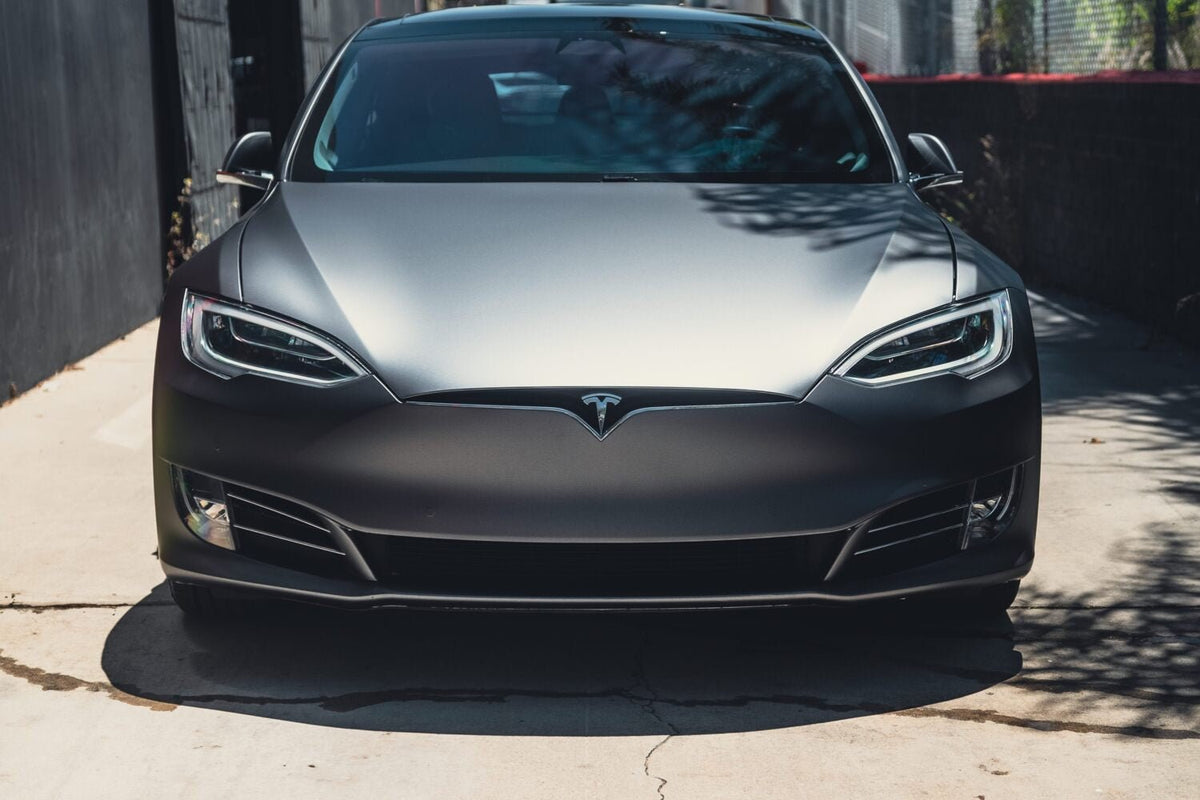
PEAK Nardo Gray is the clearest place to start. PEAK describes it as a flat, modern gray that balances boldness and restraint. The film is categorized as a solid color with a gloss finish, an important distinction because the original Nardo look is about pigment simplicity, not a matte surface. On angular vehicles, that clean surface can emphasize body lines while remaining easy to pair with black, carbon, silver, or bronze accents.
Chalk moves the same idea toward a softly off-white neutral. It suits customers who like the factory-special-order look but want more warmth than gray. The muted base keeps the vehicle understated while the finish creates a clear departure from common bright white paint.
PEAK also carries color references outside the neutral family. Zandvoort Blue and Miami Blue give dealers two different versions of modern performance blue: one cleaner and cooler, the other brighter and more tropical. PTS Amethyst goes darker, using violet undertones in a black metallic base for customers drawn to the depth of special-order paint.
For a heritage direction, British Racing Green carries decades of motorsport association without belonging to a single current model. It is a useful reminder that an OEM-referential palette is not limited to recent launch colors. Some of the strongest requests come from shades customers remember from an earlier era.

The Right Match Starts with a Physical Sample
Factory-inspired does not mean identical in every condition. Paint, film, panel shape, surrounding colors, and light all affect the final read. Screens add another layer of variation.
Dealers should use the familiar color name to begin the conversation, then finish it with a physical sample on the intended vehicle. Move the sample from shop lighting into daylight. View it beside the trim and wheel finish. Compare gloss, metallic, and lower-sheen alternatives before the customer commits.
That process shifts the decision from “Is this the color I recognize?” to the more useful question: “Is this the version that works on my car?”
A Familiar Shade Can Open a New Sale
OEM-matched shades give dealers a direct bridge between enthusiast knowledge and color PPF. The customer already understands the reference. The shop can then explain how the color will behave on a different vehicle and how self-healing TPU helps protect the paint beneath it from everyday wear.
Nardo Grey created a model for that conversation. It proved that a restrained color could become as recognizable as a bright one when the shade, vehicle, and performance story aligned. PEAK extends that idea across neutrals, heritage colors, modern performance shades, and deeper special-order-inspired finishes.
For shops ready to turn those references into a stronger color PPF offering, become a PEAK PPF Dealer and connect with the team about samples, film access, and dealer support.
Read more
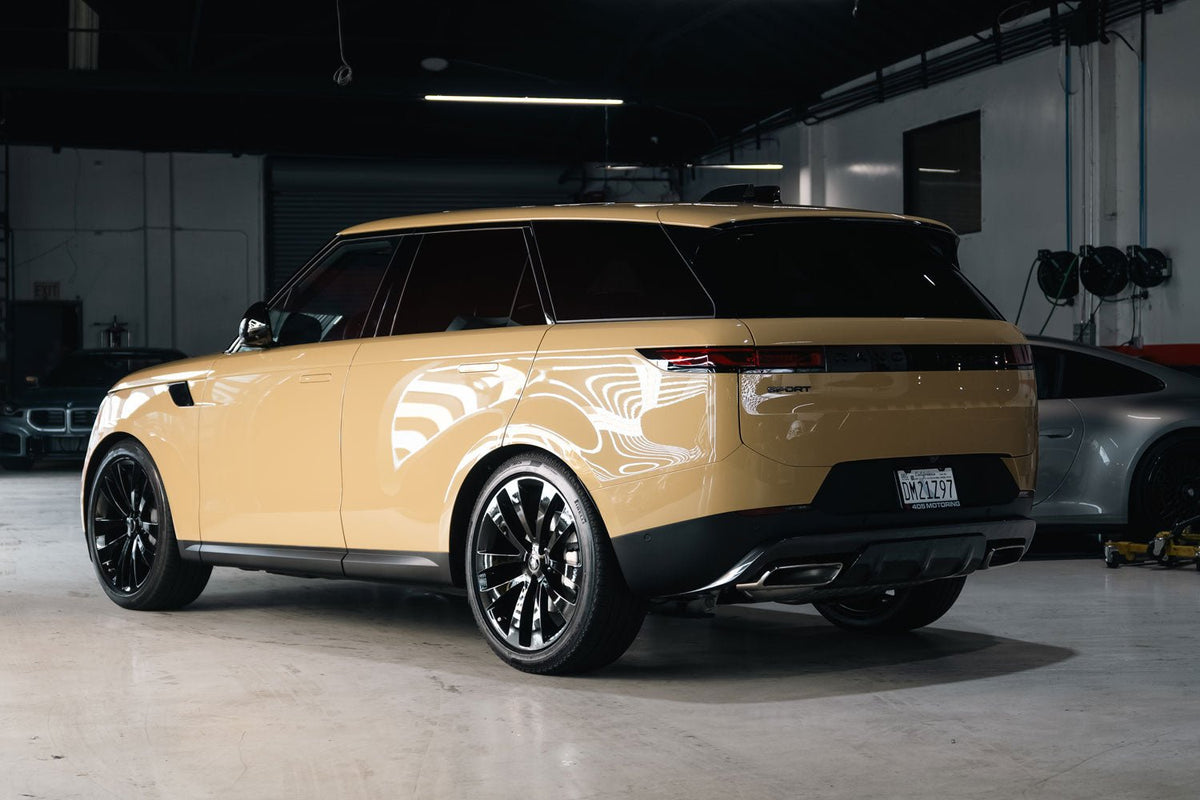
Armor Sand transforms a vehicle through proportion, surface, and restraint: an earthy tan that changes the character of a build without competing with its lines, wheels, or trim. That balance makes...
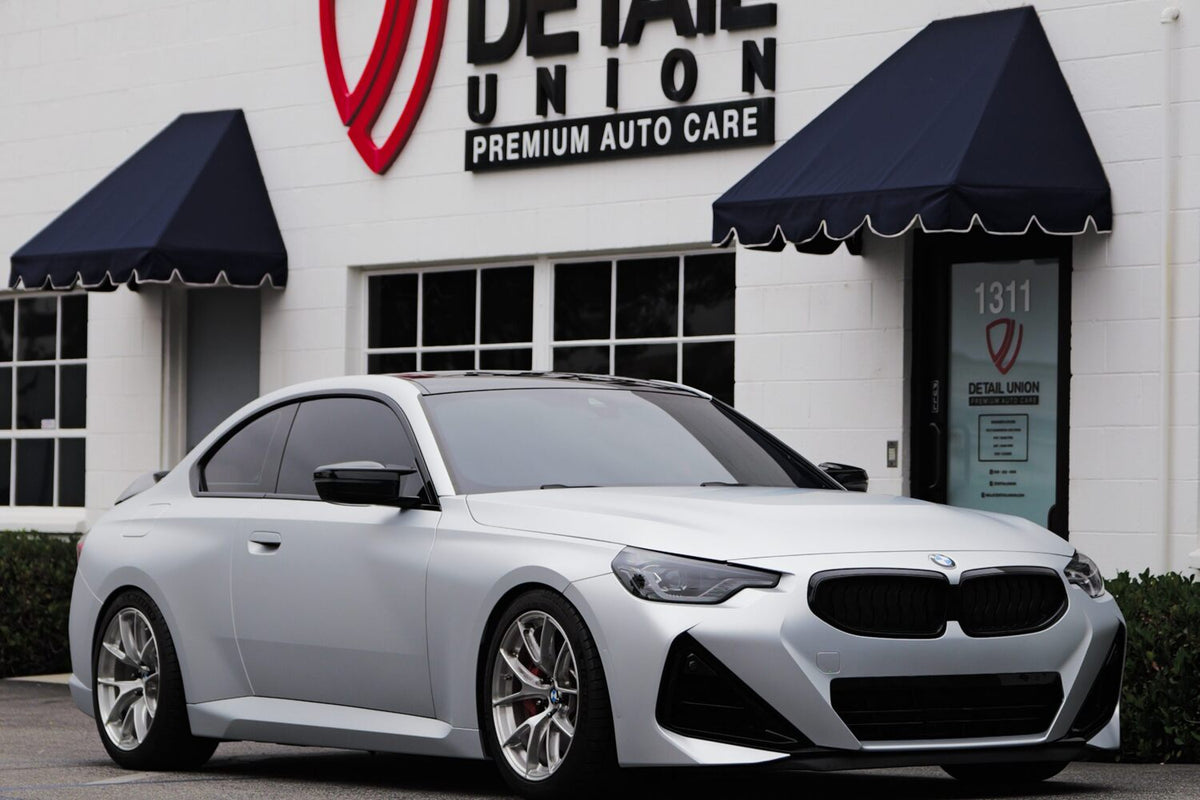
There’s more to gray than choosing light or dark. Explore PEAK’s gray color PPF collection, from clean gloss shades to rich metallics and soft Frozen finishes, and see how tone and sheen can change...