Finish of the Month: Armor Sand
Armor Sand transforms a vehicle through proportion, surface, and restraint: an earthy tan that changes the character of a build without competing with its lines, wheels, or trim.
That balance makes Armor Sand PPF a timely finish. Sand and beige have moved beyond utility-first colors associated with military and off-road vehicles. They now appear across luxury SUVs, trucks, EVs, and performance builds because they can look rugged, tailored, or minimal.
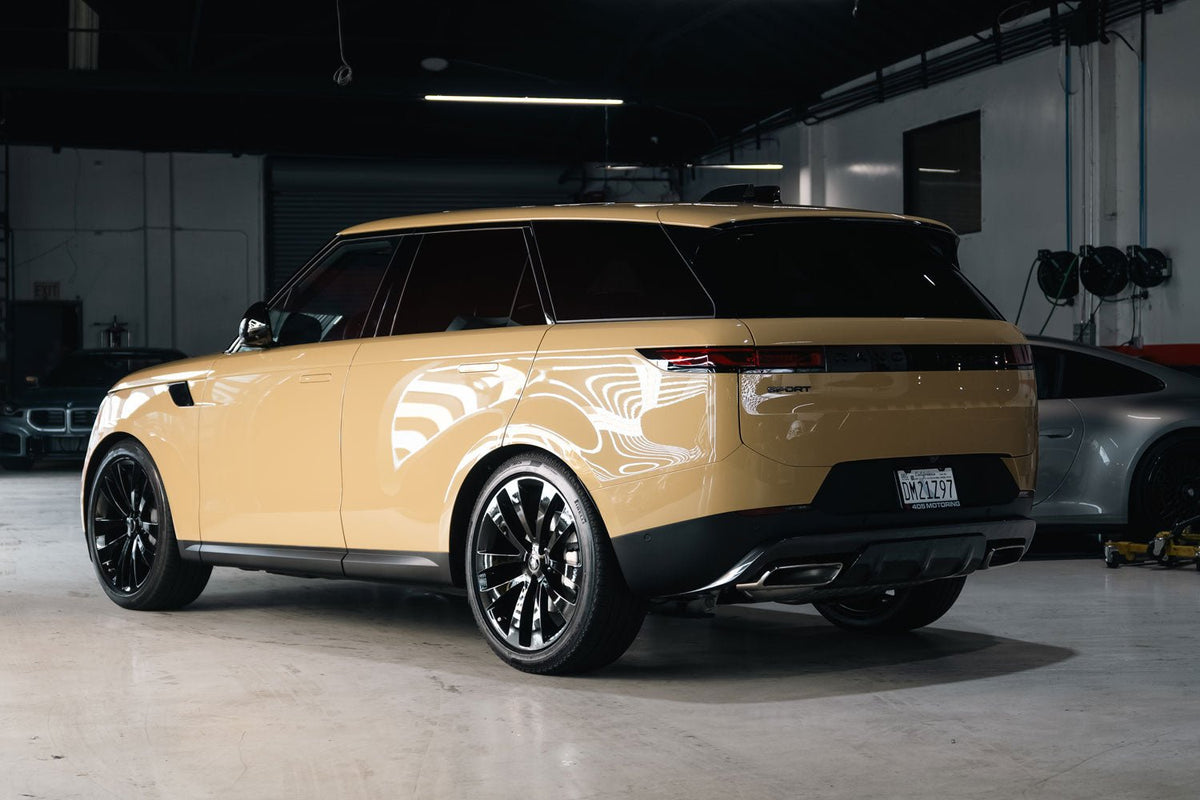
PEAK's interpretation keeps the organic color but changes the expected surface. Armor Sand is a solid beige film with a gloss finish. It has the visual grounding of a desert neutral, then adds the clarity and polish expected from a contemporary premium build.
What Armor Sand Looks Like on a Vehicle

PEAK describes Armor Sand as a rugged, earthy tan with protective strength and clean modern style. The base is warm enough to separate it from gray or chalk, but controlled enough to avoid reading as yellow or overly creamy.
Its gloss finish is the key. Indoors, the color can appear calm and uniform. In daylight, reflections define curves and shoulder lines so large panels do not feel visually flat. That adaptability lets Armor Sand feel purposeful on an SUV, architectural on an EV, or tailored on a coupe.
Why Sand Colors Feel Current
The broader automotive market is creating more room for warm neutrals. BASF's 2024 automotive color report found that beige nearly doubled its share in EMEA and described growing interest in warm, earthy shades. Axalta's 2025 color report shows that neutrals still dominate globally, while interest is rising in finishes that add depth, movement, and individuality.
Those reports track factory coatings rather than color PPF, but they help explain the appeal. The neutral palette is becoming more specific: sand, clay, warm stone, and bronze retain the restraint of a neutral while giving drivers more identity than white, black, or gray.
Armor Sand fits that shift without feeling like an imitation of one factory color. It delivers the wider design idea: warmth, simplicity, and enough visual difference to make a full transformation worthwhile.
Rugged Does Not Have to Mean Matte
Tan is often presented with a matte or satin surface because those finishes reinforce its tactical roots. Armor Sand offers another answer. Its gloss surface keeps the color polished and gives installers a way to present an earth tone to customers who do not want a low-sheen vehicle.
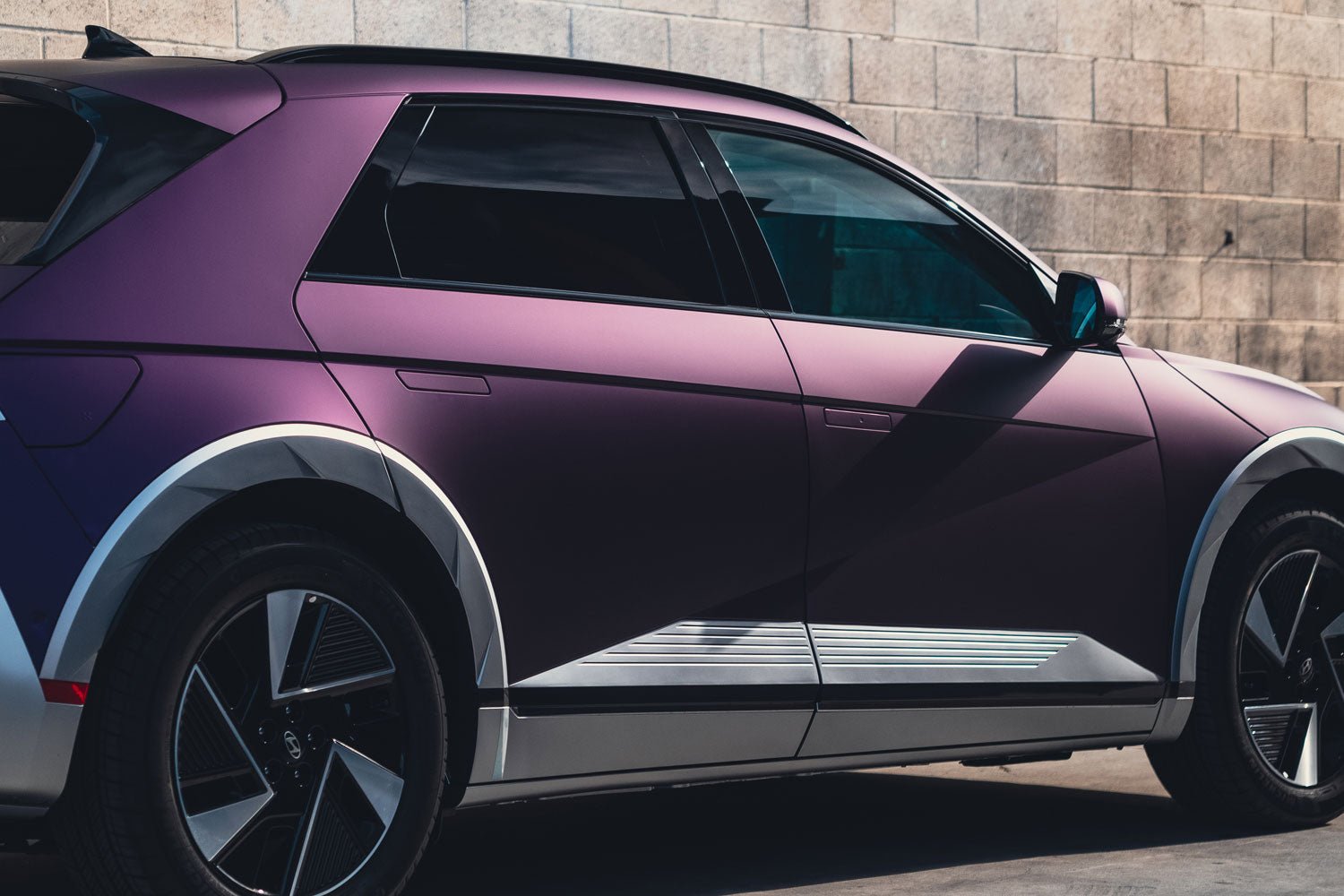
The comparison becomes clear beside Frozen Cortado. Frozen Cortado uses a frosted caramel-tan and matte finish for a softer, more muted result. Armor Sand is cleaner and more reflective. Neither approach is universally better; they serve different versions of the same customer interest.
That distinction is useful in the showroom. Instead of asking whether a customer wants beige, an installer can ask how they want beige to behave. Should it absorb more light and emphasize form, or reflect the environment and feel more polished? Sheen can make as much difference as the color name.
The Builds That Suit Armor Sand
Armor Sand works especially well with dark accents. Gloss black trim, carbon fiber, tinted glass, and black wheels frame the warm body color, while bronze or machined wheels create a more tonal result. Trucks and SUVs bring out its grounded character; EVs gain warmth without losing a minimal design language; performance cars become less predictable than the usual black, gray, or bright primary color.
Customers should still view a physical sample on the vehicle whenever possible. Tan can shift with surrounding color, panel angle, and light temperature. PEAK's 3D Visualizer can help narrow the direction, while the PEAK Gallery provides a useful reference for how color films read on completed builds.
Color with PPF Structure Behind It
The visual story is only half of the product. Armor Sand is made from self-healing thermoplastic polyurethane using high-quality USA-made resins. At 7.5 mil or more, it is designed as a paint-protection layer rather than simply an appearance film.
PEAK offers 60-inch-wide rolls in 50-foot and 65-foot lengths. The film uses a pressure-sensitive acrylic adhesive for wet application and can be removed cleanly with heat. It is also compatible with ceramic coatings, polishes, waxes, and quick detailers, allowing shops to incorporate it into an established protection and aftercare process.
Armor Sand is backed by PEAK's 10-year limited warranty when installed and maintained according to the applicable guidelines. As with any PPF, it should be described as helping protect against chips, light scratches, stains, and everyday wear—not as damage-proof.
A Finish That's Easy to Start a Conversation Around
Armor Sand gives dealers a strong middle ground. It is different enough to stop a customer at the sample wall, but restrained enough to work on a wide range of vehicles. The color carries the trend; the gloss finish broadens the audience; the TPU construction keeps the conversation rooted in protection.
For shops building a color PPF offering, it is also an effective comparison tool. Place it beside a frozen tan, a pearl white, and a warm metallic such as Champagne. The customer can quickly see how undertone, sheen, and reflectivity change the same general neutral direction.
If Armor Sand belongs in the conversations your shop is already having, become a PEAK PPF Dealer and connect with the team about film access, samples, installer support, and the broader color lineup.